Mathematics is often referred to as the language of the universe, and its significance extends far beyond the confines of academic study. In the modern world, mathematics plays a crucial role in various fields, particularly in technology. This case study explores how mathematics has shaped technological advancements, read more about math focusing on areas such as computer science, data analysis, and engineering.
One of the most profound impacts of mathematics on technology is evident in computer science. Algorithms, which are essentially mathematical procedures, form the backbone of computer programming. Every application we use today, from social media platforms to banking systems, relies on algorithms to function efficiently. For instance, search engines like Google utilize complex mathematical algorithms to index and retrieve information from the vast expanse of the internet. The PageRank algorithm, developed by Larry Page and Sergey Brin, is a prime example of how mathematical concepts can optimize search results, ensuring users find the most relevant information quickly.
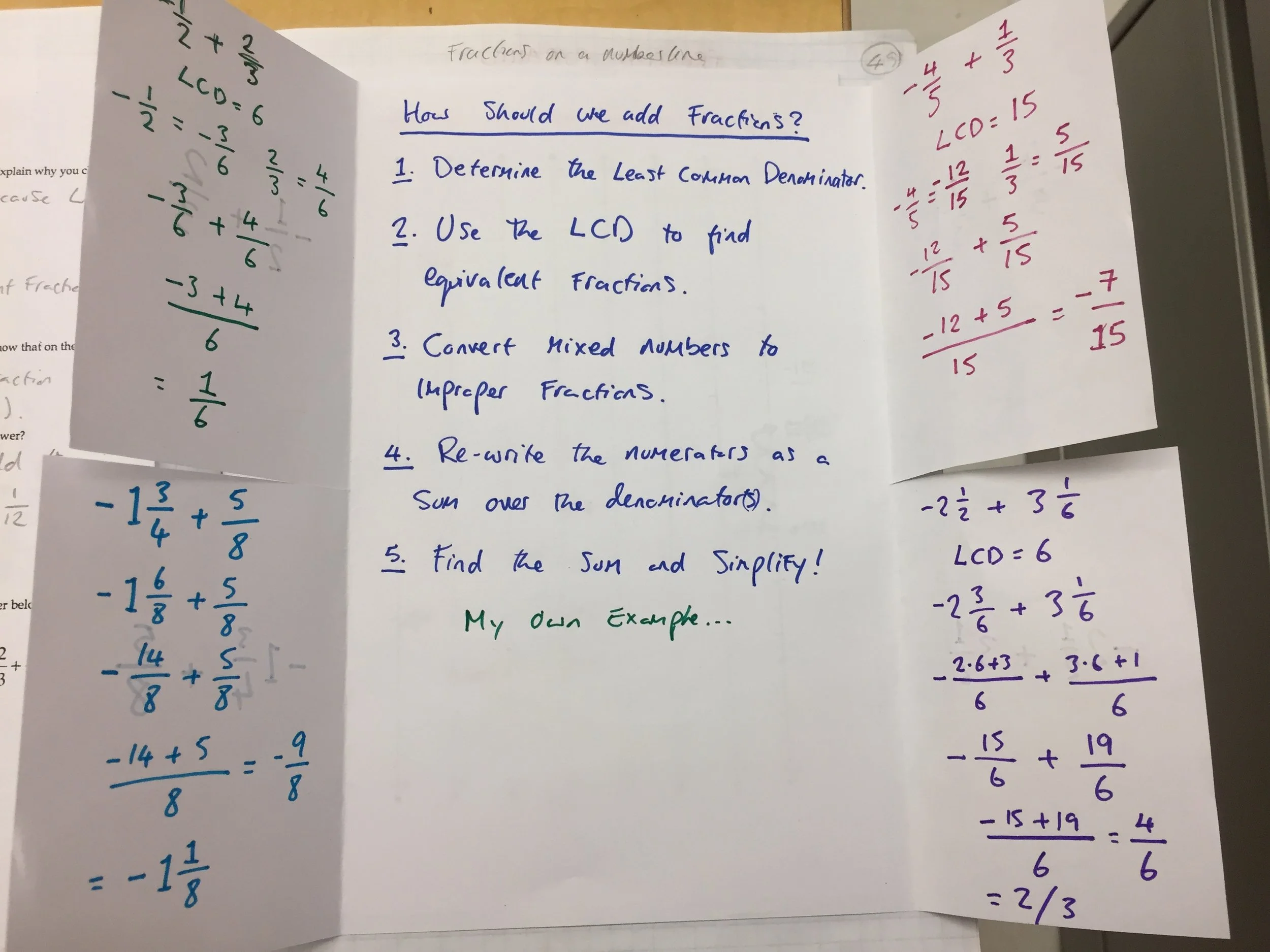
Moreover, mathematics is pivotal in the field of data analysis. In an age where data is generated at an unprecedented rate, the ability to analyze and interpret this data is crucial. Statistical mathematics provides the tools necessary to make sense of large datasets, enabling businesses and organizations to make informed decisions. For example, companies like Netflix and Amazon use mathematical models to analyze user behavior, allowing them to recommend products and content tailored to individual preferences. This not only enhances user experience but also drives sales and customer retention.
In engineering, mathematics is the foundation upon which designs and innovations are built. From civil engineering, where calculus and geometry are used to calculate loads and stresses in structures, to electrical engineering, where differential equations model electrical circuits, mathematics is indispensable. A notable example is the design of bridges, which requires precise calculations to ensure safety and stability. Engineers use mathematical models to simulate various scenarios, allowing them to predict how structures will behave under different conditions.
Furthermore, mathematics is integral to the development of emerging technologies such as artificial intelligence (AI) and machine learning. These fields rely heavily on mathematical concepts, including linear algebra, probability, and statistics. Machine learning algorithms, for instance, use mathematical functions to learn from data and make predictions. The success of AI systems in tasks such as image and speech recognition is a testament to the power of mathematics in driving innovation.
In conclusion, the impact of mathematics on modern technology cannot be overstated. It serves as the foundation for computer science, data analysis, and engineering, driving advancements that shape our daily lives. As technology continues to evolve, the role of mathematics will only become more pronounced, highlighting the importance of mathematical literacy in the 21st century. Understanding and applying mathematical concepts will not only empower individuals but also foster innovation and progress in an increasingly complex world.